
What to do when you're worried someone isn't coping at home
It might be something small � a missed call, an unusual comment, a house that felt different when you visited. Or it might be something more obvious. If you are worried that someone you care about is not managing as well as they say they are, trust that instinct.
This guide covers what to look for, how to raise the conversation, and what help might be available.
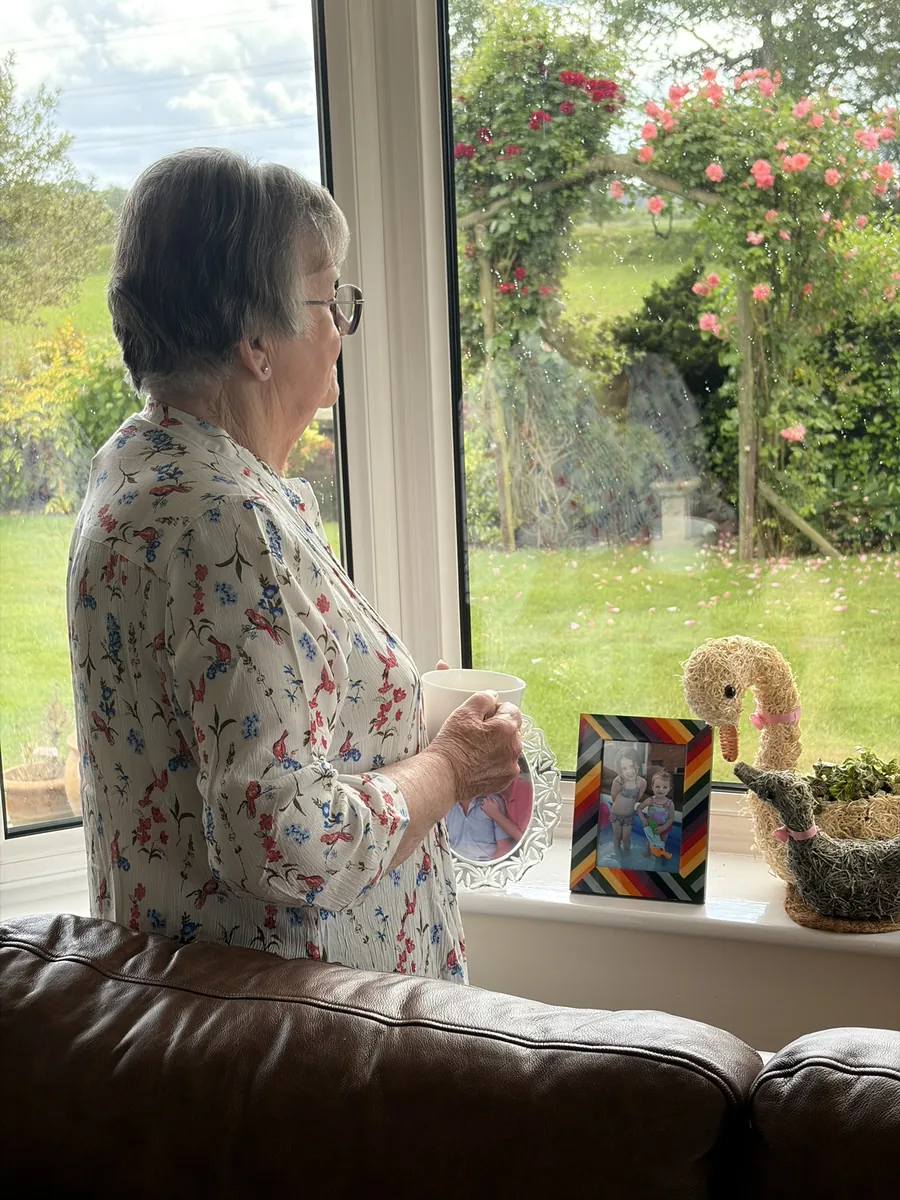
Signs that someone may be struggling
- Missed meals or noticeable weight loss
- A house that looks different to how it usually would � unwashed dishes, unread post, reduced cleaning
- Changes in personal hygiene or appearance
- Confusion about medications � missed doses, repeated doses, or not knowing what they are for
- Unexplained bruising, small falls or near-misses that were not mentioned
- Withdrawing from contact � less phone calls, shorter conversations, not answering the door
- Seeming anxious, flat, or unlike themselves over several conversations
- Struggling with tasks they used to manage � cooking, driving, paying bills, getting around
No single sign is definitive. But a pattern of changes � or a strong gut feeling that something is not right � is worth taking seriously.
Starting the conversation
Raising concerns with someone you love can feel awkward, particularly if they are private, proud or likely to minimise. The approach that tends to work best is one that comes from curiosity rather than judgment � and that gives them room to respond honestly.
Starting with what you have noticed, rather than a conclusion, can help: "I've been a bit worried about you lately � you've seemed a bit tired" tends to land better than "I think you need help."
It may take more than one conversation. That is normal. The goal of the first conversation is not to solve everything � it is to open a door.
Try to have the conversation when there is time and you are not rushed � not on the doorstep, not as an afterthought at the end of a visit.
What help might be available
A GP review
If you are concerned about someone's health or mental wellbeing, their GP is the right first port of call. You can share your concerns with the GP � even if they cannot share information back � and ask them to arrange a review.
A care needs assessment
Contact the local council's adult social care team to request a care needs assessment. This is free, and anyone who appears to have care needs is entitled to one. It looks at what support might help them manage at home.
Community or voluntary support
Local Age UK branches, community hubs and voluntary sector organisations often provide befriending, practical help, and day services. These can make a significant difference to someone who is becoming isolated.
Occupational therapy assessment
If mobility, home safety or daily tasks are a concern, an occupational therapist can assess the home environment and recommend adaptations or equipment.
If they refuse help
Adults have the right to make their own decisions � including decisions you disagree with. If the person you are worried about has mental capacity and refuses support, you cannot force them to accept it, even if you believe it would help them.
What you can do is let them know you are there, keep the conversation open, and check in regularly. You can also share your concerns with the GP � they cannot share the person's information with you, but they can listen and act if they feel it is appropriate.
If you have serious concerns about someone's immediate safety, contact the local council's adult safeguarding team or call 999 if there is an immediate risk.
How InKindRa can support you
We can help you think through what you are seeing and what the right next step might be � whether that is a conversation with the GP, a request for a care needs assessment, or working out what to say when you raise the subject again.
Sometimes the most helpful thing is having someone independent to talk things through with � someone who knows the system and can help you work out what is actually available and how to access it.
Need help applying this to your own situation?
You do not need to have everything organised before getting in touch. InKindRa can help you make sense of what is happening, prepare questions and understand what practical next steps may be needed.
Not sure if this is the right kind of support? Send a short message - no pressure to continue.
Related practical guides:
Would you like to talk through what you have noticed?
If you are worried about someone and are not sure what to do next, start with a free, no-pressure conversation.
Or call us on 01743 630199